Source Home Electric Doorbell Switch for Home, Hotel, and Villa
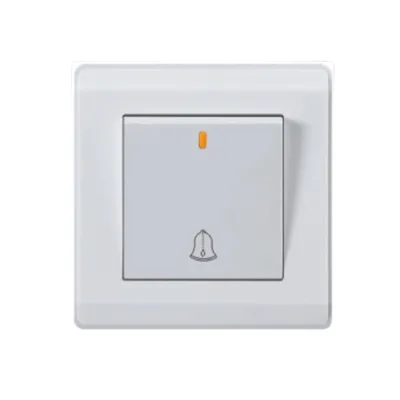
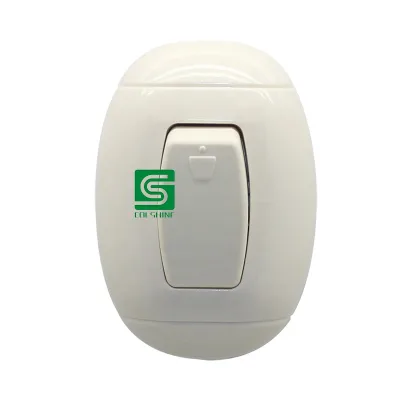
Find and compare 28 home electric doorbell switch options from China. These PC plastic rocker switches support 220-250V and 10A, featuring CE certification and single live line wiring for reliable control in residential and commercial settings; compare the available evidence and request quotations based on your requirements.
Key considerations
Products List


Comprehensive Sourcing Guide
Home Electric Doorbell Switch Sourcing Guide
Sourcing home electric doorbell switches requires careful attention to the specific electrical architecture and mounting requirements of your target market. The available inventory indicates a strong presence of single-pole on-off switches designed for residential and commercial applications, often featuring a rocker structure and capacitive or resistive principles. Buyers must distinguish between models intended for simple start buttons and those serving as primary control switches for lighting or appliances, as the internal contact type and wiring configuration vary significantly between these functional categories.
Procurement decisions should also account for the diverse material and finish options observed in the market, ranging from durable PC plastic to various color finishes like white, silver, black, and gold. While many units are listed as new and standard, the physical dimensions and packing standards differ by model, with some measuring 86mm by 86mm and others utilizing specific carton configurations. Understanding these physical variances is critical for ensuring the switches fit existing wall plates and meet the aesthetic expectations of end-users in different regions.
Product Scope and Observed Listing Signals
The current market listings reveal a broad spectrum of doorbell switch types, including single control switches and those designed for multi-gang applications. Buyers will encounter products labeled with specific model numbers such as V110NL, H110NL, and HG110, each potentially serving distinct voltage or current requirements. The observed data suggests that while some units are designed for general electronics and home appliances, others are specifically tailored for industrial or hotel environments, necessitating a clear definition of the intended usage before placing an order.
Listing signals also highlight variations in detection methods and protection features, with some switches offering retro-reflective mode detection and explosion-proof durability. It is essential to verify whether a specific listing includes a lamp or remains without one, as this impacts the visual feedback for the user. The presence of customization options allows for tailored solutions, but buyers must confirm that the requested modifications do not compromise the standard electrical ratings or the structural integrity of the power-built-in type design.
Technical Specifications to Verify
Electrical ratings are the primary technical constraint for any doorbell switch procurement, with observed listings specifying voltages between 220V and 250V and currents up to 10A. Buyers must rigorously verify that the selected switch matches the local grid voltage and the expected load current to prevent overheating or premature failure. The distinction between normal open and other contact types is equally vital, as it determines the default state of the circuit and the safety behavior of the switch during power interruptions.
Physical and functional specifications such as the number of switches, wiring type, and material composition must align with the installation environment. The market offers single live line wiring configurations and PC plastic materials that provide durability, but the specific size and gang configuration, such as 1 gang 1 way, must be confirmed against the wall box dimensions. Additionally, the principle of operation, whether capacitive or resistive, dictates the sensitivity and response time, which are critical factors for user experience in high-traffic residential or commercial doorbell systems.
Compliance and Safety Documentation
Certification status is a non-negotiable aspect of sourcing electrical components, with observed listings frequently citing CE, CCC, and ISO standards. Buyers must ensure that the specific model they intend to purchase carries the necessary certifications for the destination market, as the presence of one certification does not guarantee compliance with others. The documentation should explicitly state the certification body and the specific standard version to avoid regulatory hurdles during customs clearance or product registration.
Safety features such as explosion-proof and durable protection are often highlighted in product descriptions, but these claims require verification through independent test reports. The origin of the product, often listed as China or specifically Wenzhou, Zhejiang, can influence the consistency of quality control and the availability of supporting safety documentation. Procurement teams should request detailed safety data sheets that confirm the switch meets the required protection levels for its intended application, whether it is a simple home appliance or a more demanding industrial setting.
Cost Drivers and Commercial Terms
Pricing in this category exhibits a wide range, with observed values spanning from $0.18 to $30, driven by factors such as material quality, certification complexity, and order volume. The minimum order quantity (MOQ) varies significantly, with some suppliers offering as few as one unit while others require orders of 1000 or 3000 pieces. Buyers must balance the unit cost against the total investment, considering that higher volume orders often unlock better pricing tiers but require accurate demand forecasting to avoid excess inventory.
Commercial terms also include specific packing standards and shipping configurations that impact the landed cost. Listings indicate packing methods ranging from single polybags to complex inner and outer carton arrangements, with standard carton sizes like 50x33x22cm affecting logistics efficiency. Understanding the lead times and the flexibility of the supplier to adjust packing for mixed orders is essential for maintaining a smooth supply chain, especially when dealing with diverse product models that may have different production cycles.
Supplier Qualification and Quality Control
Supplier qualification should focus on the consistency of their manufacturing processes and their ability to maintain the specified product standards. The presence of multiple model numbers and customization options suggests a flexible production line, but buyers must verify that the supplier has robust quality control measures in place to ensure every unit meets the stated voltage, current, and material specifications. Requesting samples from different production batches is a prudent step to validate the consistency of the rocker feature and the durability of the PC plastic housing.
Quality control protocols must also address the verification of contact types and the reliability of the single-pole on-off mechanism. Since the market includes both standard and customized products, the supplier should provide clear documentation on how they handle variations in the production process. Buyers should inquire about their defect rates and the procedures for handling non-conforming goods, ensuring that the supplier can maintain the high standards required for electrical safety and long-term performance in home and commercial applications.
Long-Term Procurement Checks
Establishing a long-term partnership requires regular audits of the supplier's ability to maintain product consistency and supply chain stability. Buyers should monitor the supplier's adherence to the stated standards and certifications over time, as regulatory requirements and market expectations can evolve. It is crucial to verify that the supplier continues to source high-quality raw materials, such as the PC plastic used in the housing, to prevent degradation in product performance or safety features.
Future procurement strategies should also account for potential changes in product specifications or the introduction of new models that better suit emerging market needs. Maintaining open communication with the supplier regarding their roadmap for product development can help buyers stay ahead of industry trends. Regular reviews of the supplier's performance metrics, including delivery times and defect rates, will ensure that the partnership remains beneficial and that the doorbell switches continue to meet the rigorous demands of the end-users.
FAQs
What certifications are available for home electric doorbell switches?
CE certification is available for these switches. Some models also carry CCC and ISO certifications. These standards ensure compliance with safety and quality requirements for electrical components used in residential and commercial applications.
Can I customize the color of the switch?
Yes, customization is available for these switches. Buyers can choose from white, silver, black, or golden finishes. This allows for aesthetic matching with various interior design schemes and home appliance requirements.
What is the typical MOQ for ordering these switches?
The MOQ varies by supplier, ranging from 1 to 3000 units. Some listings specify an MOQ of 1000 pieces. Buyers should verify the specific minimum order quantity with the supplier before placing an order.
What materials are used to make these switches?
These switches are primarily made from PC plastic or general plastic materials. This construction ensures durability and safety for electrical applications. The material choice supports the explosion-proof and durable protection features listed for these products.
What is the voltage rating for these switches?
The voltage rating is typically 220-250V or 250V~. These switches are designed for standard electrical appliance applications. The current rating is usually 10A, making them suitable for various home and commercial lighting controls.
Where are these switches manufactured?
These switches are manufactured in China, specifically in Wenzhou, Zhejiang. This region is known for its electrical component manufacturing industry. Buyers can source directly from these locations to ensure product authenticity and supply chain efficiency.